
Opening Hours: Mon-Fri 8am-6pm | Sat 8am-1pm

enamel erosion

What Is Enamel Erosion?

What Is Enamel Erosion?

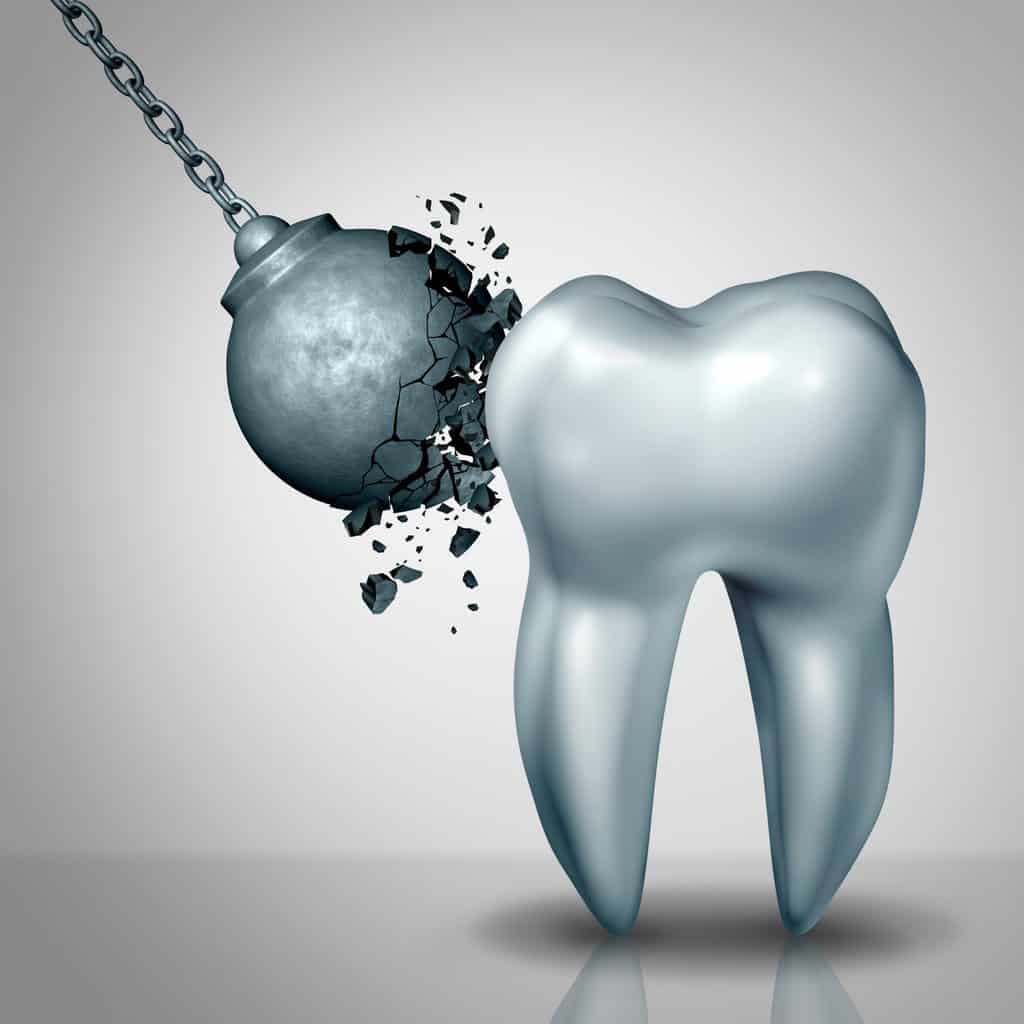
Tooth enamel is the strongest substance in the human body. It forms the protective outer layer of each tooth and helps defend against wear, acids, bacteria, and everyday forces involved in chewing. Despite its strength, enamel is not indestructible. Over time, it can gradually wear away—a process known as enamel erosion.

Enamel does not regenerate on its own. Once it becomes thin or worn, the underlying tooth structure becomes more vulnerable to sensitivity, discolouration, and long-term damage. Understanding how enamel erosion develops, the symptoms to look out for, and how to protect your enamel can help support long-term oral health.

This guide outlines what enamel erosion is, its causes, how to recognise the signs, and what you can do to help keep your enamel strong.


The Role of Enamel and Why It Matters

Enamel acts as the first line of defence for your teeth. It shields the inner layers from bacteria and daily wear. For enamel to continue protecting your smile, it also needs ongoing support—a process called remineralisation.

Remineralisation occurs naturally throughout the day as minerals such as calcium and phosphate strengthen the enamel surface. Certain habits and foods support this process, while others weaken it.

What Helps Support Healthy Enamel?

To keep enamel strong, the following factors play an important role:

  • Increased saliva flow – Saliva naturally neutralises acids and carries essential minerals needed for enamel repair.

  • Drinking water throughout the day – Water helps rinse away food particles and maintains moisture in the mouth.

  • A consistent oral hygiene routine – Brushing twice daily with fluoride toothpaste and flossing helps reduce plaque build-up.

  • Calcium-rich and phosphorus-rich foods – Dairy, leafy greens, nuts, and whole grains support the remineralisation process.

  • Limiting acidic and sugary drinks – Soft drinks, energy drinks, fruit juices, and sweetened beverages all increase the risk of erosion.

Supporting enamel daily helps maintain a strong foundation for your smile.


Understanding the Symptoms of Enamel Erosion

Enamel erosion often develops slowly, and many people do not notice the early signs. Over time, the symptoms become more noticeable.

Common symptoms include:

1. Sensitivity to Hot and Cold Foods

As enamel thins, the underlying dentine becomes more exposed, causing sensitivity when eating or drinking.

2. Chips or Cracks in Teeth

Weakened enamel may make teeth more prone to small chips or rough edges.

3. Discolouration

When enamel wears away, the tooth may appear yellow due to the underlying dentine becoming more visible. Staining from drinks like coffee, tea, or soft drinks can also become more noticeable.

4. Changes in Tooth Shape

Teeth may appear more rounded, uneven, or have a glossy surface from acid wear.

If you notice any of these symptoms, it may indicate the early stages of enamel erosion.


How Does Enamel Erosion Form?

Enamel erosion is closely linked to diet, lifestyle, and certain health conditions. Even if you maintain a good oral care routine, ongoing exposure to acid and sugars can gradually weaken enamel.

Here are the main causes:


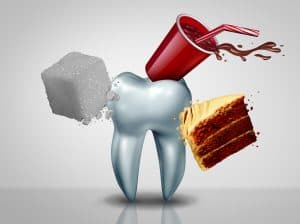
1. High Sugar Intake

Sugary foods and drinks feed bacteria in the mouth, allowing plaque acids to form. Items such as:

  • Sweets and confectionery

  • Soft drinks

  • Energy drinks

  • Ice cream

  • Sweetened coffee and tea

Regular exposure can lead to plaque build-up and eventually weaken the enamel surface.

It is recommended to enjoy these foods in moderation and incorporate more calcium-rich foods for enamel strength.


2. Acids in Food and Drinks

Acidic foods and drinks are one of the main contributors to enamel erosion. Even healthy foods such as citrus, berries, and tomatoes contain natural acids. While they are beneficial nutritionally, consuming them frequently increases the risk of erosion.

Enamel erosion from acids can gradually create microscopic openings in the surface of the tooth, which may progress to cavities if not managed.


3. Digestive Conditions

Certain gastrointestinal conditions can introduce acid into the mouth, increasing the risk of enamel erosion. These may include:

  • Acid reflux

  • Frequent vomiting

  • Eating disorders such as bulimia

Stomach acid is strong enough to soften enamel quickly. If you experience these conditions, seeking medical support can help protect your oral health.


4. Low Saliva Levels

Saliva is essential for neutralising acids and supporting remineralisation. Low saliva flow can increase the risk of erosion. Common causes of dry mouth include:

  • Medication side effects

  • Dehydration

  • Mouth breathing

  • Certain medical conditions

A consistently dry mouth allows acids to remain in contact with the enamel for longer periods.


What Can You Do to Help Prevent Enamel Erosion?

Taking small but consistent steps can significantly support enamel strength.

1. Maintain a Balanced Diet

Incorporate foods rich in calcium and phosphorous, such as dairy, leafy vegetables, nuts, and seeds. Reduce snacking and avoid prolonged exposure to sugary drinks.

2. Drink Water Regularly

Water helps wash away acids and food debris, supporting a healthier oral environment.

3. Use Fluoride Toothpaste

Fluoride strengthens enamel and supports resistance to decay.

4. Rinse After Consuming Acidic Foods

Rinsing with plain water helps neutralise acids and reduce their contact with enamel.

5. Avoid Brushing Immediately After Acidic Foods

After consuming acidic items, enamel temporarily softens. Waiting 30 minutes before brushing helps protect the enamel surface.

6. Maintain Regular Oral Care Habits

Brushing twice a day, flossing daily, and maintaining routine dental visits contribute to enamel health.

If enamel erosion is progressing, a dental professional can provide personalised guidance based on your symptoms and lifestyle.


Concluding Thoughts

Enamel erosion is a gradual but important oral health concern. Understanding how enamel wears down, recognising the early symptoms, and taking practical steps to protect your teeth can make a meaningful difference over time. A balanced diet, strong oral routine, and awareness of acidic and sugary intake all contribute to healthier enamel.

If you are experiencing symptoms of enamel erosion or would like guidance on maintaining strong teeth, you may seek advice from dentists in Sutherland for further support.

Share:

Dr Peter Kennedy

Dr. Peter Kennedy, a dedicated dentist in Sutherland, has over 30 years of experience serving the local community. A Sydney University graduate, he stays updated on the latest dental advancements through continuous education. In his free time, Dr. Peter Kennedy enjoys sports, woodworking, furniture building, and model railways.

Comments are closed.

Call Now