
The Essential Guide to Reducing Bone Loss From Missing Teeth
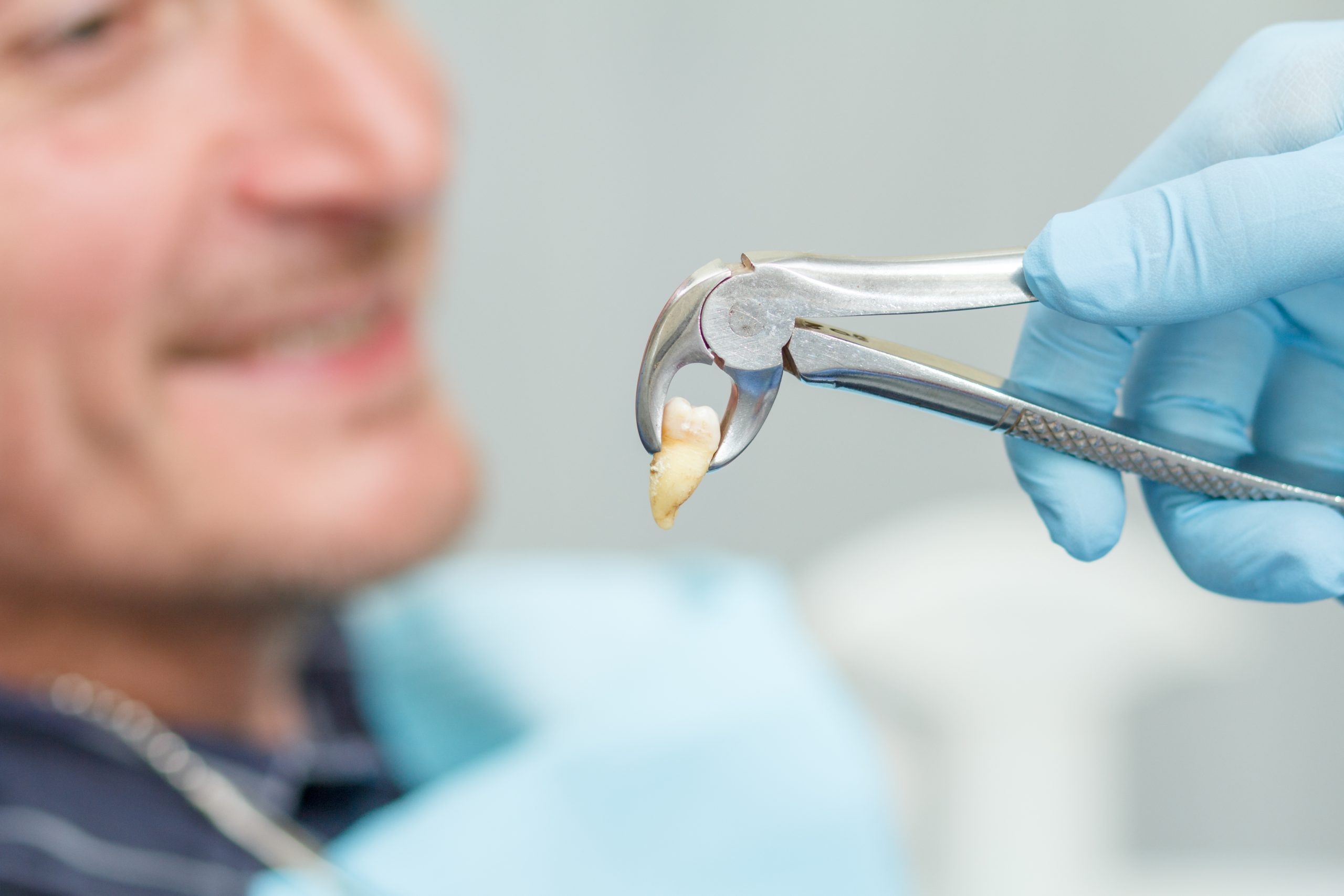
Missing a tooth can occur for many reasons, including physical injury, decay, gum-related concerns, or the removal of wisdom teeth. Regardless of the cause, one of the lesser-known consequences of losing a tooth is the reduction in bone density in the jaw. Bone loss is often discussed in relation to ageing, but it can affect individuals of all ages. Understanding how and why this occurs can support you in making informed decisions about your oral health.
This guide explores the connection between missing teeth and bone loss, explains why the jawbone changes after a tooth is lost, and outlines practical strategies that may help preserve bone strength and support long-term oral function.
Why Bone Loss Occurs After Losing a Tooth
The jawbone plays an essential role in supporting the teeth. Each tooth root provides ongoing stimulation to the bone whenever you chew, speak, or bite. This stimulation encourages the constant renewal of bone cells, helping the jaw remain strong and stable.
When a tooth is removed or lost, the bone no longer receives the same level of stimulation. As a result, the bone tissue may gradually begin to diminish. This process is called bone resorption. Over time, this can influence neighbouring teeth, alter the structure of the face, and impact overall oral function.
Some effects may include:
-
Shifting of nearby teeth
-
A change in bite alignment
-
Greater susceptibility to gum concerns
-
A reduction in facial volume over extended periods
While bone loss is a natural biological response, understanding it can support individuals in taking steps to maintain bone health where possible.
Understanding Bone Density and Oral Health
A dental professional can carry out a bone density assessment if a person has experienced tooth loss. This may involve measuring the levels of minerals, including calcium, within the bone. These minerals contribute to bone strength and stability.
Low bone density does not automatically indicate oral disease but may influence the options available for certain dental treatments. For example, some tooth replacement solutions rely on adequate bone support. Understanding the condition of the bone allows individuals and dental professionals to make suitable decisions tailored to their needs.
Practical Ways to Help Reduce Bone Loss From Missing Teeth
Although bone loss cannot always be prevented entirely, there are several supportive measures that individuals can adopt to assist with maintaining healthy bone structure.
Strong Oral Hygiene
Maintaining a consistent and thorough oral hygiene routine is one of the most effective ways to support oral and bone health. Brushing twice a day with fluoride toothpaste and flossing daily helps remove plaque and bacteria, which in turn helps protect the gums. Healthy gums support the bone beneath them.
Regular dental check-ups are also valuable, especially following tooth loss. A dental professional can assess the condition of the bone, monitor changes over time, and provide guidance about managing oral health. In some cases, they may discuss whether procedures such as bone grafting could be suitable, depending on an individual’s situation.
Avoiding Tobacco
Tobacco use is widely recognised as a factor that can influence oral health. Smoking or using tobacco products may affect blood flow to the gums and can contribute to gum-related concerns. These issues may accelerate bone loss around missing teeth.
For individuals who smoke and also have missing teeth, the combined effect may place additional strain on the gums and bone. Reducing or quitting tobacco use may help support long-term oral health, and may also help slow the progression of bone deterioration.
Dental Implants and Bone Stimulation
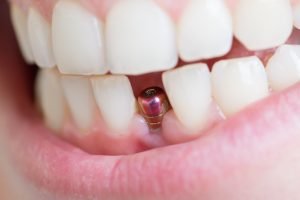
While treatment decisions vary from person to person, dental implants are known for their ability to provide stimulation to the jawbone in a manner similar to natural tooth roots. When an implant integrates with the bone, it allows the bone to continue receiving functional pressure during chewing. This stimulation may help reduce bone loss in the area where the tooth is missing.
It is important to recognise that implants are not suitable for everyone and may not always be the recommended option. Factors such as bone density, overall health, and individual preferences all play a role. A dental professional can offer guidance about whether implants or alternative replacement options may be appropriate.
Balanced Diet and Bone Health
Nutrition plays a vital role in maintaining strong bones throughout life. Two essential nutrients for bone strength are calcium and vitamin D.
-
Calcium supports the structure of bones.
-
Vitamin D assists with calcium absorption.
Including nutrient-rich foods may help promote bone health. These may include:
-
Dairy products such as milk, yoghurt, and cheese
-
Leafy greens like spinach and kale
-
Tofu, almonds, and sesame seeds
-
Eggs and fortified cereals for vitamin D
-
Fish such as salmon and sardines
Limiting foods high in sugar or starch can also help reduce the risk of decay in the remaining teeth and support overall oral health.
Lifestyle Choices That Support Bone Strength
Small lifestyle habits may also contribute to maintaining bone density:
-
Regular weight-bearing exercise, such as walking or light strength training
-
Adequate hydration
-
Balanced meals spaced consistently throughout the day
-
Managing stress levels where possible through mindful practices or physical activity
These habits may not only support oral health but also contribute positively to overall wellbeing.
Understanding Emotional and Functional Impacts
A missing tooth can affect more than just function. For some individuals, the experience may influence confidence or comfort in social situations. Recognising the emotional impact is just as important as understanding the physical aspects of bone loss.
Taking gradual, informed steps toward maintaining oral health can help restore a sense of control. Whether through consistent hygiene, dietary choices, or discussing replacement options with a dental professional, each step contributes to a more stable and supported oral environment.
Conclusion
Missing a tooth does not mean your oral health has to decline. With informed choices, thoughtful daily habits, and regular professional guidance, it is possible to support bone strength and maintain comfort, function, and overall wellbeing. Understanding how the jawbone responds to tooth loss helps individuals take proactive steps to care for their oral health long term.
For further personalised guidance or assessment, individuals can speak with dentists in Sutherland for supportive information tailored to their needs.