
Do you have tartar buildup on your teeth? Many people are unsure whether it is safe to scrape tartar at home. However, it is strongly advised that tartar removal is performed by a dental professional. Is it, nevertheless, possible to perform tartar removal at home?
Tartar, commonly known as calculus, is a hardened substance that formed as a result of tooth plaque. Dental plaque, which is a softer pale substance that originates from sugar and bacteria from food, is the initial step in its production.
Dental plaque can be removed with a toothbrush, but if it is not removed, it will solidify into tartar, a darker, harder deposit that is difficult to remove.
Tartar can also be generated by smoking, in addition to the foods that cause plaque build-up. Typically, if your diet comprises sugars and starch, this, along with poor oral hygiene, will lead to the bacterial substance coating and impacting your smile.
Can Tartar Damage My Teeth?
Tartar build-up is a material that coats your teeth and should not be overlooked. It’s formed because of dental plaque, and the bacteria in the plaque produce acids that eat away at your enamel, causing cavities to form.
Tartar can irritate and enlarge your gums, causing inflammation and swelling. Gingivitis is caused by the early stage of gum disease. If your gums get inflamed, you may suffer bleeding, which can be dangerous and irreversible.
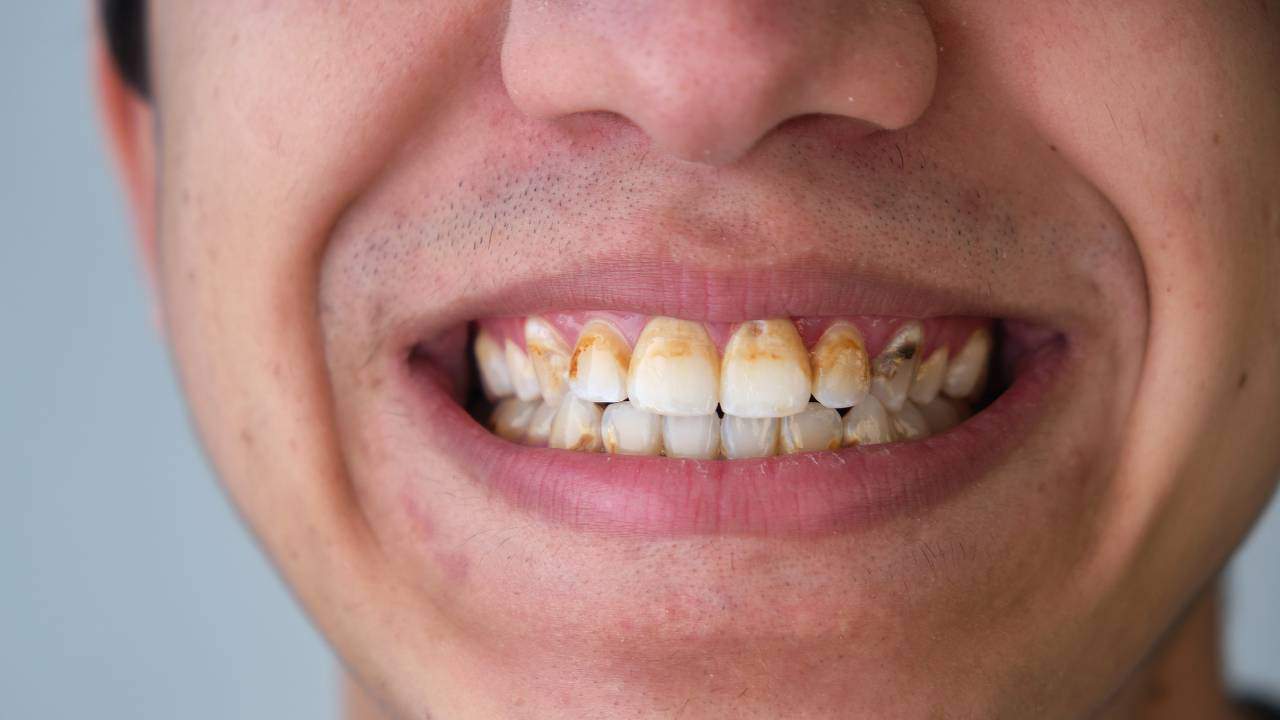
Tartar can also cause tooth discolouration, which has a cosmetic effect on your teeth and can impact the way you feel about your smile. If tartar continues to build up, it can damage your teeth within a few months.
So, Can I Remove Tartar At Home?
It’s highly recommended that you avoid attempting tartar removal at home. Doing so can damage your toothbrush, but also there’s a danger of damaging your enamel. Don’t attempt to use a scraper to remove it either because you’re increasing the chance of injury and further dental problems, particularly to your gums and the underlying tissue.
How Can Tartar Be Removed?
Removing hard deposits of tartar off your teeth will require a trip to a dental professional to get them deposits removed safely. The dentist will safely scale the tartar off using a scaler, a sharp tool that breaks down the tartar off your teeth.
If you’re only showing early signs of dental plaque build-up, it can be controlled and eventually removed by oral hygiene and visit the dentist for a check-up and clean.
How Can I Prevent Tartar Build-Up?
Continue to brush and floss your teeth properly with a soft bristle toothbrush at home. Its also recommended that you use mouthwash because mouthwash contains antibacterial properties that kill bacteria that sugary foods feed off. Its recommended that you visit the dentist at least twice a year for a check-up and clean. An additional benefit is gaining more knowledge on your oral health as well.
If you’ve tartar build-up and you’re seeking tartar removal treatment, check yourself in for a check-up and clean treatment today!