
Strong white teeth are something that everyone aspires to have, and thanks to modern dentistry, the opportunity to restore missing teeth is just a phone call away. Therefore, the choice you make to replace a single or multiple missing teeth is important.
We look at two popular choices: dental implants vs dentures. Both dentures and dental implants are designed to restore the functioning of your mouth by replacing a missing tooth or a set of teeth.
So, how do you choose the right one? There are many factors to think about, so let’s get started straight away to give you a comprehensive understanding of dental implants vs dentures to help you make the right choice.
What Are Dental Implants?
Dental implants are often regarded as the most effective and long-lasting natural tooth replacement alternative. Implants are titanium screws that are surgically implanted into the jawbone, with the crown (replacement tooth) attached to the implant via an abutment.
How Are Dental Implants Effective?
Dental implants provide a strong basis for permanent replacement of a lost tooth, with a prosthetic replacement that functions like your natural teeth. A dental implant can last a lifetime with proper oral hygiene. It does not affect how your mouth works. Eat, speak, and exercise your jaw like you would if you had a complete set of natural teeth.
What Are Dentures?
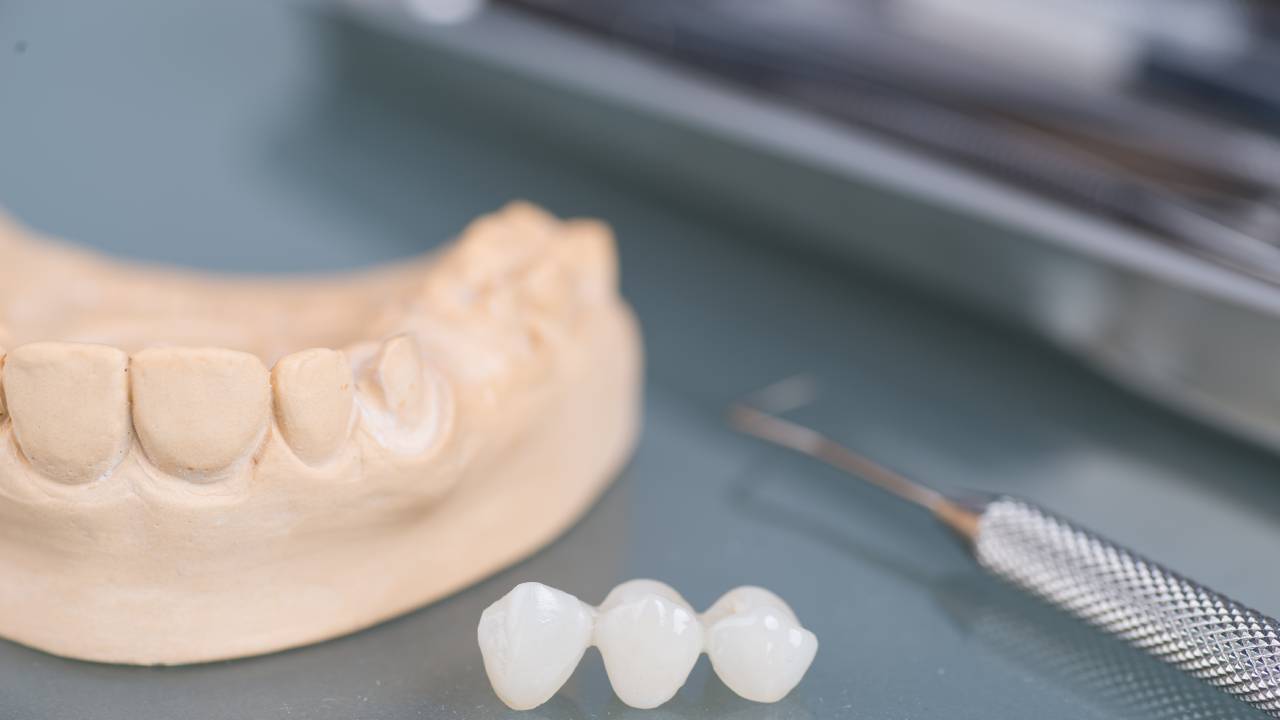
Dentures may be a good alternative to dental implants if you’re looking for a less expensive option. Dentures are fake teeth that can replace your full arch or a portion of your arch of teeth. A prosthetic device is a tooth replacement device that is made to fit snugly against the form of your jaw and sit pleasantly over your gums as a replacement.
Are Dentures Effective?
Dentures are a cost-effective choice to improve your smile and are recommended for those who are missing a set of teeth rather than one. Dentures need to be secured with adhesive to be fitted properly. Otherwise, this can lead to infection and complications when eating and speaking with them in the mouth.
What Are The Key Factors Help Choose?
Now, to help you make the right choice to replace a missing tooth. Let’s read on.
Dental Implants Are Permanent
The main difference between implants and dentures is that implants are designed to fit permanently. When infused into the jawbone, this promotes bone regeneration so that the underlying bone doesn’t deteriorate. Whilst dental implants are designed to last a lifetime. Dentures typically last for up to 8 years before they need to be replaced.
Dental Implants Don’t Impact Mouth Functioning
Dental implants are fitted for you to use your mouth as normal, whether it be for speaking, biting or eating. There are likely to be some difficulties with mouth functioning when using dentures. They’re more fragile and can break, meaning chewing and biting down on food might be tricky. You’d be required to alter your food choices if you’ve fitted dentures.
Dental Implants Are Expensive
The procedure for dental implants is quite complex and time-consuming. Although, if you think of the long-term benefit, you’re only paying for a single procedure if the implant is fitted correctly. As time goes on, the implants will still be fitted in years to come. You don’t need to pay for any more treatment once fitted, other than visiting the dentist for a check-up. Whilst dentures are more affordable, and you’ll likely need to pay for multiple dentures at multiple appointments.
Dentures Require Looking After
Naturally, we look after our teeth through brushing and flossing. With dentures, it requires more maintenance. Dentures require regular cleaning and soaking when they’re removed every night. Dentures need to also be stored in a moist container to keep bacteria away from them. With implants, simply follow proper oral care.
So, Which One Do I Choose?
If you’re looking for a long-term solution that provides comfort, maintains mouth functioning, and goes with your smile, you’re likely to choose dental implants. Dental implants are not a fit for everybody. Therefore, if your dental health isn’t sufficient to withstand an implant due to poor bone density or general dental health, the denture is a worthwhile option.
Discuss dental implants vs dentures with your local dentist at your check-up appointment.