
Can You Remove Tartar At Home?
Tartar is a common dental concern, and many people wonder whether it can be removed at home with simple remedies. While good daily oral hygiene can help prevent tartar, its removal is generally considered a treatment that requires professional care. To understand why, it is important to learn how tartar forms, how it affects oral health, and what options are available for managing it.
This guide explores what tartar is, how it develops, and whether home remedies can make a difference. It also outlines why professional support is often needed to maintain a healthy and clean smile.
What Is Tartar?
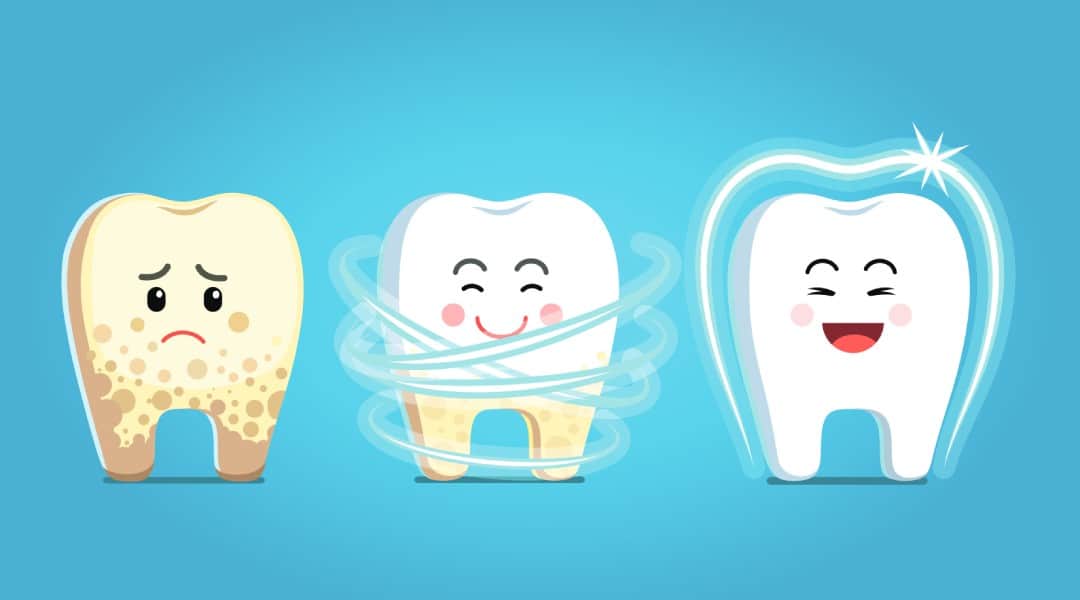
Tartar, also known as calculus, is a hardened deposit that forms when dental plaque is not removed effectively. Plaque itself is a soft, sticky film made up of bacteria, food debris, and sugars. When plaque sits on the teeth for an extended period, the minerals in saliva cause it to harden.
Plaque can usually be removed through regular brushing and flossing. Once it hardens into tartar, however, it becomes firmly attached to the surface of the teeth and along the gumline. At this stage, brushing alone is not enough to remove it.
Tartar can appear white, yellow, or brown. It may develop in areas that are difficult to reach with a toothbrush, such as the back of the lower teeth or between teeth.
How Does Tartar Form?
Tartar formation happens in stages:
-
Plaque build-up begins when bacteria in the mouth interact with sugars and starches from food and drinks.
-
If plaque is not removed, it starts to harden within 24–72 hours.
-
Minerals from saliva bind to plaque, creating hardened deposits called tartar.
-
Tartar continues to accumulate, trapping even more plaque and bacteria.
Several factors may increase tartar formation, such as smoking, inconsistent brushing or flossing, frequent snacking on sugary foods, or having crowded teeth where cleaning is more difficult.
Is Tartar Harmful?
Tartar build-up should not be ignored. Once it forms, it can affect both oral health and the appearance of the teeth. Some of the concerns associated with tartar include:
1. Increased Risk of Cavities
Bacteria within plaque produce acids that weaken the tooth enamel. Because tartar attracts more plaque, the risk of decay increases when tartar is present.
2. Impact on Gum Health
Tartar deposits along the gumline can irritate the gums, causing redness, swelling, and bleeding. These are common signs of gingivitis, the earliest stage of gum disease. If left untreated, gum disease may progress and affect the supporting structures of the teeth.
3. Aesthetic Concerns
Tartar is porous and can absorb stains from food, drinks, and smoking. This often results in yellow or brown discolouration that cannot be removed with normal brushing.
So, Can You Remove Tartar At Home?
The short answer is no—once tartar has hardened, it cannot be safely removed at home using standard oral hygiene tools. Dental professionals use specialised instruments during a scale and clean to remove tartar effectively without damaging the tooth enamel or gums.
Attempting to scrape tartar at home can lead to enamel scratches, gum injury, or infection. For these reasons, professional treatment is the recommended approach for tartar removal.
However, some home remedies are known for helping reduce plaque and supporting good oral hygiene. While these do not remove existing tartar, they may help prevent new deposits from forming.
Home Remedies That May Help Reduce Plaque Levels
Many sources share household remedies that may help support oral hygiene. These do not replace professional dental care, but some individuals use them as part of their routine. Here are the most commonly discussed remedies:
1. Baking Soda
Baking soda has mild abrasive properties that may help clean surface stains on teeth. Some people mix baking soda with water to form a paste and gently brush with it. However, it should be used cautiously—abrasive products may wear down enamel if used too frequently.
2. White Vinegar
A mixture of white vinegar and warm salt water is sometimes used as a rinse because vinegar contains acetic acid, which has antibacterial properties. This rinse may help reduce plaque bacteria but does not remove hardened tartar.
3. Orange Peel
Orange peel contains vitamin C and compounds believed to have antimicrobial properties. Some individuals rub the inside of the peel on their teeth to reduce bacterial build-up. While this may help freshen the mouth, it will not remove tartar.
4. Aloe Vera Mixtures
Aloe vera gel mixed with glycerine, baking soda, and water is sometimes used as a homemade paste. Aloe vera may help reduce bacteria, and glycerine can help remove debris, but again, this mixture does not remove tartar.
These remedies may help in maintaining a cleaner mouth and potentially slowing the accumulation of new plaque, but they are not capable of removing hardened tartar.
Why Professional Removal Is Recommended
Professional tartar removal is performed with dental instruments that can safely break down and remove calculus from the teeth and around the gumline. This process is typically part of a scale and clean appointment.
A professional cleaning not only removes tartar but also helps reduce the risk of gum inflammation, tooth decay, and staining. Regular dental visits also allow early detection of oral health issues, helping support long-term dental wellbeing.
How to Prevent Tartar Build-Up
Even though tartar cannot be removed at home, you can take several steps to reduce the likelihood of it forming:
-
Brush your teeth at least twice daily using fluoride toothpaste.
-
Floss once a day to remove plaque between the teeth.
-
Limit sugary and sticky foods.
-
Drink plenty of water to help wash away debris.
-
Avoid smoking, which increases tartar build-up.
-
Attend regular dental check-ups and professional cleans.
Good oral hygiene habits can make a significant difference in keeping tartar under control.
Considering Professional Support?
If you are concerned about tartar build-up or want guidance on preventing it, speaking with your dental practitioner can help you understand the most effective steps for maintaining your oral health.
You may also consider seeking advice from dentists in Sutherland if you require personalised guidance regarding tartar removal or oral hygiene care.