
Opening Hours: Mon-Fri 8am-6pm | Sat 8am-1pm

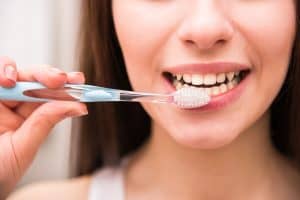
Lady-Brushing-Teeth

Avoid Overzealous Brushing For Stronger Oral Health

Avoid Overzealous Brushing For Stronger Oral Health

Maintaining strong oral health requires more than just brushing your teeth regularly. Many people believe that brushing harder will result in cleaner teeth, but this is a common misconception. Overzealous brushing, sometimes referred to as tooth abrasion, can actually damage your teeth and gums, leading to long-term oral health issues.

Understanding the correct brushing technique and recognising the risks associated with aggressive brushing are essential for keeping your teeth healthy, preventing enamel wear, and avoiding gum recession. In this article, we explore how to avoid overzealous brushing for stronger oral health (focus keyword), why correct technique matters, and how to care for your toothbrush to support a healthy smile.


What Is Overzealous Brushing?

Overzealous brushing is the process of brushing teeth with excessive force, frequency, or using improper tools. Tooth abrasion occurs when the enamel—the protective outer layer of your teeth—is worn down due to harsh brushing. This can expose the underlying dentin, leading to tooth sensitivity, discolouration, and increased risk of decay.

Contrary to popular belief, brushing harder does not clean teeth better. In fact, it can:

  • Damage delicate gum tissue, causing recession

  • Increase enamel erosion and sensitivity

  • Contribute to uneven wear on teeth

  • Spread bacteria instead of removing it

Soft-bristled toothbrushes, used correctly, are the most effective tool for maintaining oral hygiene without causing damage.

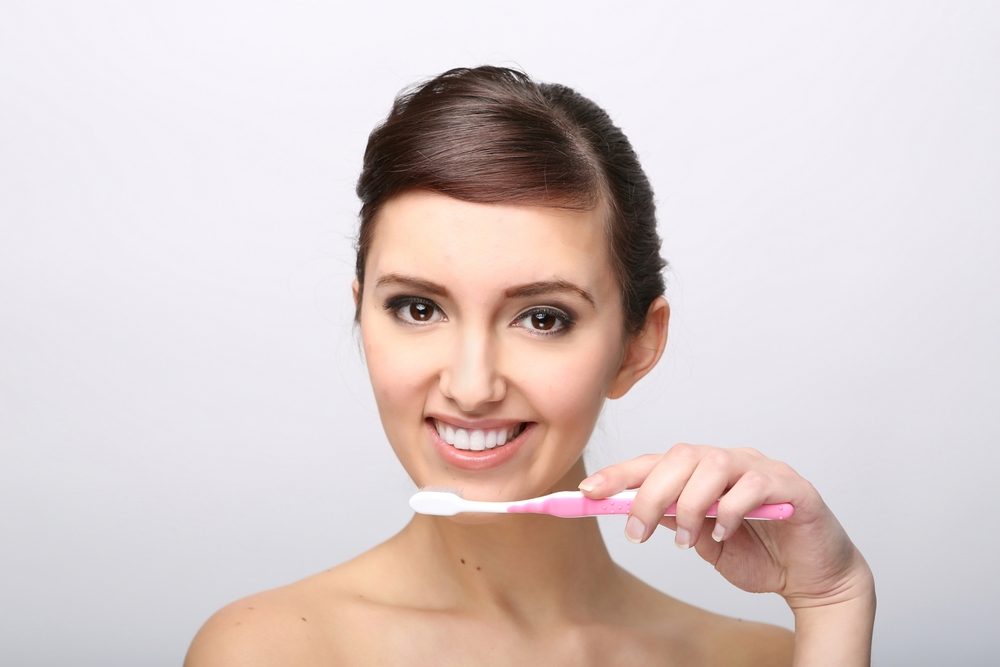
lady brushing her teeth

The Proper Brushing Technique

Mastering the correct brushing technique is far more important than the force you use. Following these steps ensures that your teeth and gums remain clean while minimising the risk of abrasion:

  1. Choose a Soft-Bristled Toothbrush
    Hard or medium-bristled toothbrushes can damage enamel and gum tissue. A soft-bristled toothbrush is gentle yet effective at removing plaque and debris.

  2. Hold the Toothbrush at a 45-Degree Angle
    Position the head of the toothbrush at a 45-degree angle towards the gum line and tooth root. This angle allows bristles to reach along the gum margin where plaque tends to accumulate.

  3. Use Gentle, Circular Motions
    Move the toothbrush in small, circular strokes across each tooth surface. Circular motions are more effective at dislodging plaque than aggressive back-and-forth scrubbing.

  4. Focus on All Surfaces of Your Teeth
    Clean the outer, inner, and biting surfaces of your teeth. Gently brush up and down on biting areas, and make sure to cover every contour of your teeth.

  5. Apply Light Pressure
    You should feel the bristles against your teeth and gums but not press so hard that the bristles bend excessively. Too much pressure damages enamel and irritates gum tissue.

  6. Brush for Two to Three Minutes
    Spend sufficient time brushing each quadrant of your mouth to ensure comprehensive cleaning. Use a timer or electric toothbrush with a built-in timer if needed.

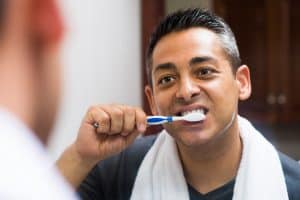
brushing teeth

Why Brushing Teeth Correctly Is Important

Proper brushing technique plays a crucial role in maintaining oral health. The bristles of a toothbrush are designed to collect bacteria, plaque, and food debris from your teeth and gums. When toothbrushes become worn or damaged, their effectiveness decreases, and they can even spread bacteria rather than removing it.

Benefits of correct brushing include:

  • Reduced Risk of Tooth Decay: Proper brushing removes plaque that contributes to cavities.

  • Healthier Gums: Gentle cleaning helps prevent gum inflammation and recession.

  • Protection of Enamel: Correct technique prevents unnecessary wear and preserves the strength of your teeth.

  • Better Breath: Removing trapped debris reduces bacterial growth, minimising bad breath.


Toothbrush Care Tips

Even the best brushing technique will be less effective if your toothbrush is not properly cared for. Follow these tips to maintain a clean and effective toothbrush:

  • Replace Your Toothbrush Every Three to Four Months
    Bristles wear down over time, reducing cleaning efficiency. Frayed bristles can also irritate gums.

  • Rinse Thoroughly After Each Use
    Remove toothpaste, food particles, and bacteria by rinsing the toothbrush under running water.

  • Store Upright in a Dry Place
    Allowing the toothbrush to air dry prevents bacterial growth. Avoid covering it while wet, as this can encourage bacteria to multiply.

  • Do Not Share Toothbrushes
    Sharing increases the risk of bacterial and viral transmission between users.


Other Tips for Stronger Oral Health

Along with correct brushing, you can support your teeth and gums by:

  • Flossing Daily: Removes plaque and debris between teeth that brushing cannot reach.

  • Rinsing With Water After Meals: Helps remove food particles before they contribute to plaque formation.

  • Limiting Sugary and Acidic Foods: Protects enamel from erosion and reduces bacterial growth.

  • Regular Dental Check-Ups: Early detection of issues such as cavities, gum disease, and enamel wear allows timely treatment.

Combining these habits with proper brushing significantly improves long-term oral health outcomes.


Conclusion

Overzealous brushing is a common mistake that can harm your teeth and gums over time. Using a soft-bristled toothbrush with gentle, circular motions and correct angling is far more effective for cleaning your teeth and preventing damage.

Consistent brushing, flossing, maintaining your toothbrush, and attending regular dental check-ups all contribute to stronger oral health and a confident smile.

If you have any questions about brushing techniques or wish to improve your oral hygiene routine, you may consult dentists in Sutherland for personalised advice and professional care.

Share:

Dr Peter Kennedy

Dr. Peter Kennedy, a dedicated dentist in Sutherland, has over 30 years of experience serving the local community. A Sydney University graduate, he stays updated on the latest dental advancements through continuous education. In his free time, Dr. Peter Kennedy enjoys sports, woodworking, furniture building, and model railways.

Comments are closed.

Call Now